Elisabeth Leerdam
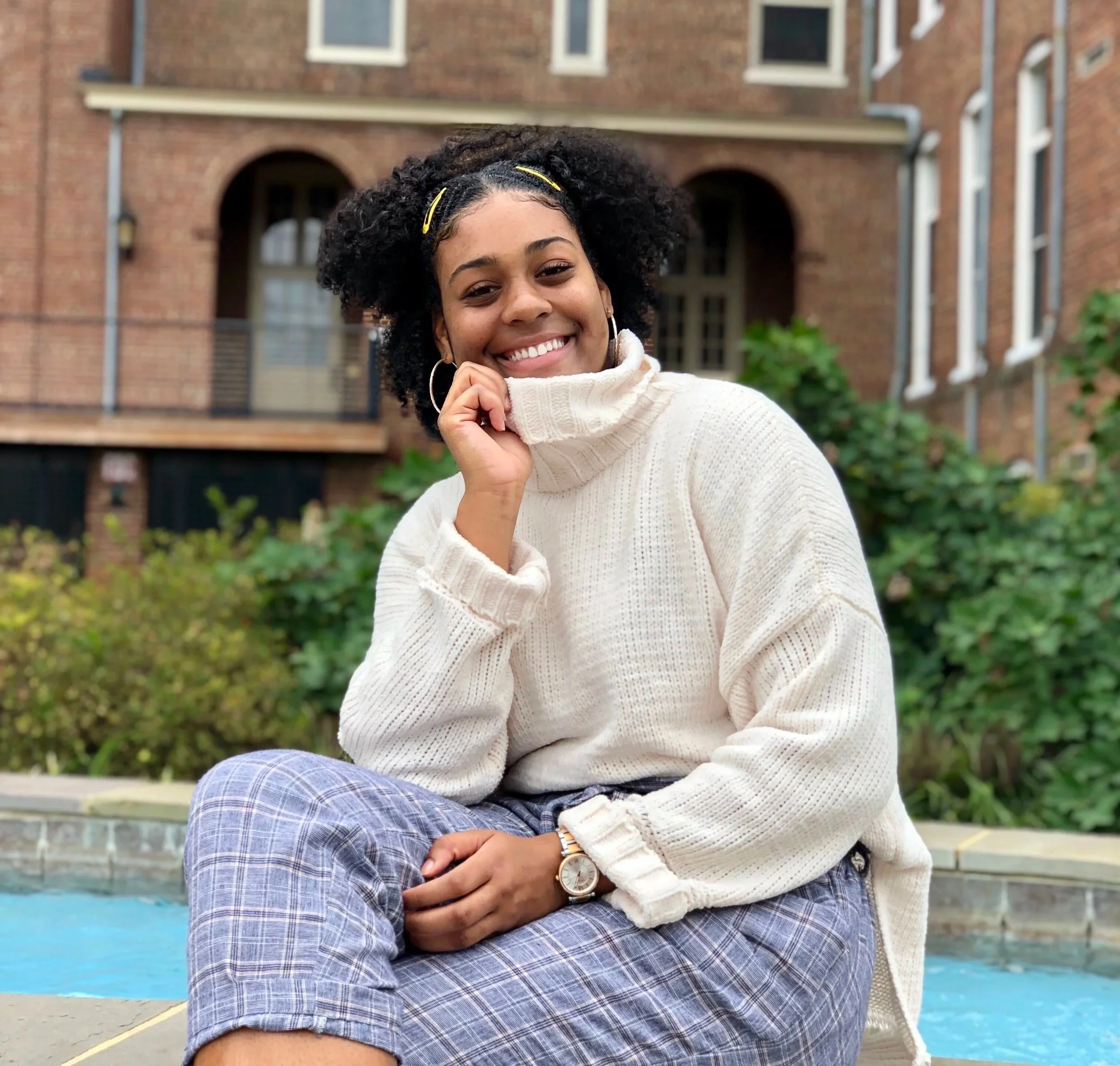
Elisabeth Leerdam, CMES SEAS Alliance Coordinator, University of the Virgin Islands
Stepping into my role as SEAS Alliance Coordinator and Navigating Home Coordinator, I was only just beginning to understand what a career in research could look like. I had recently graduated from the University of the Virgin Islands, and while I had some experience as a student researcher, my view of the broader scientific community was still limited. What drew me to this work was how closely it mirrored my own journey and the opportunity to help students navigate those same questions with more clarity and support than I had.
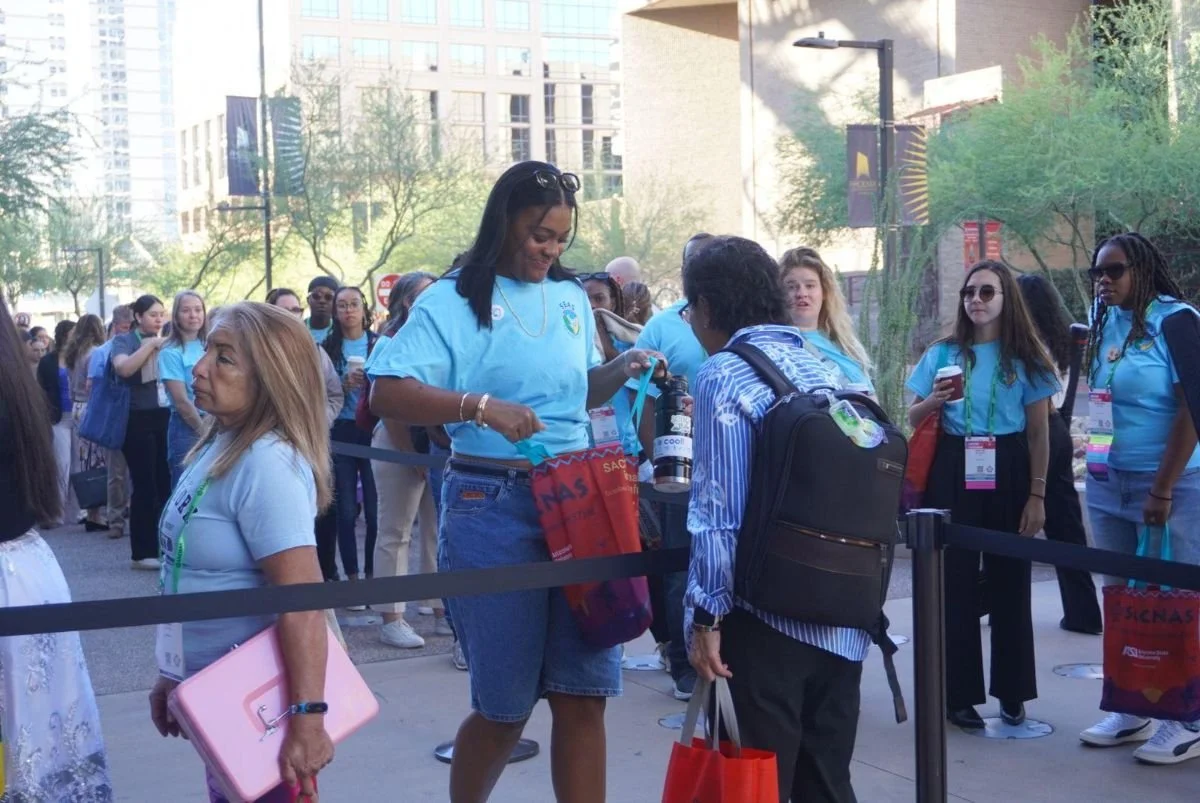
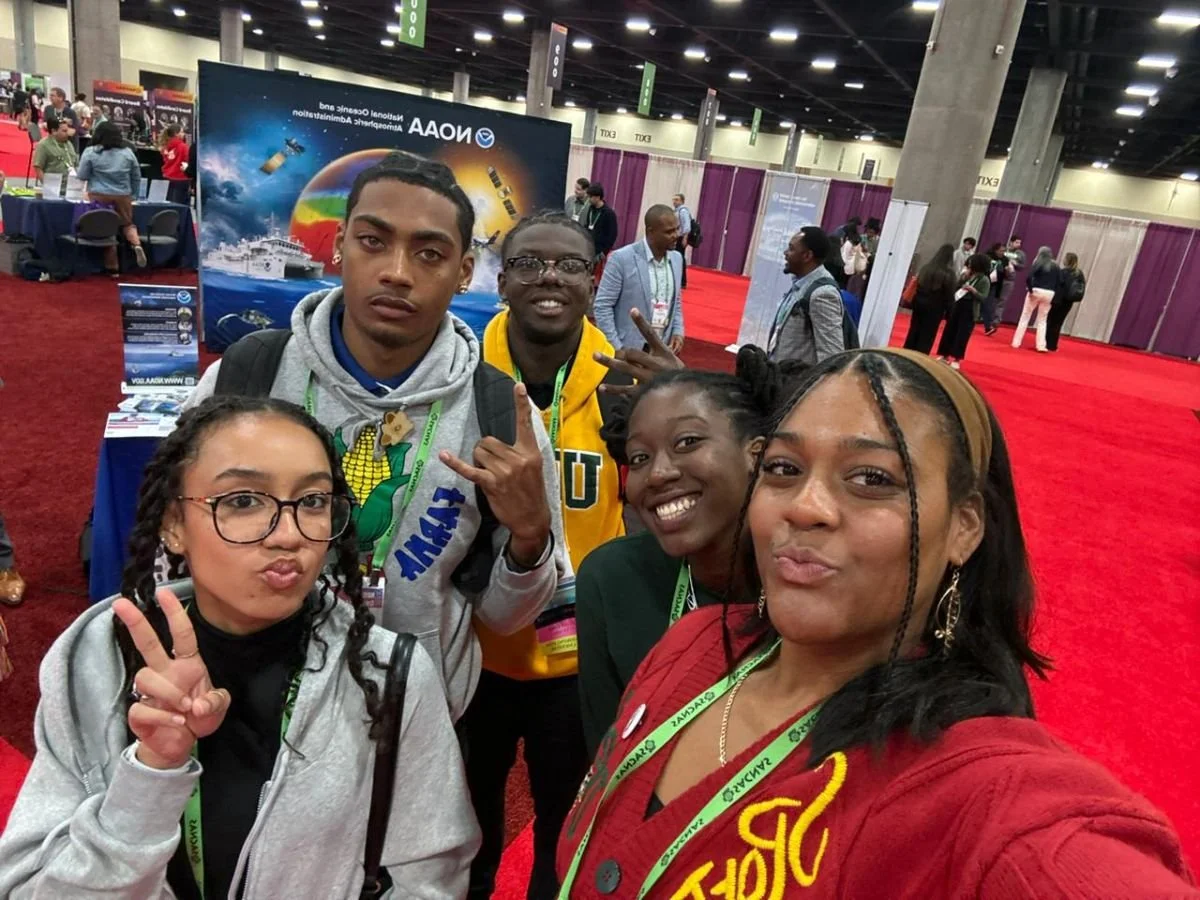
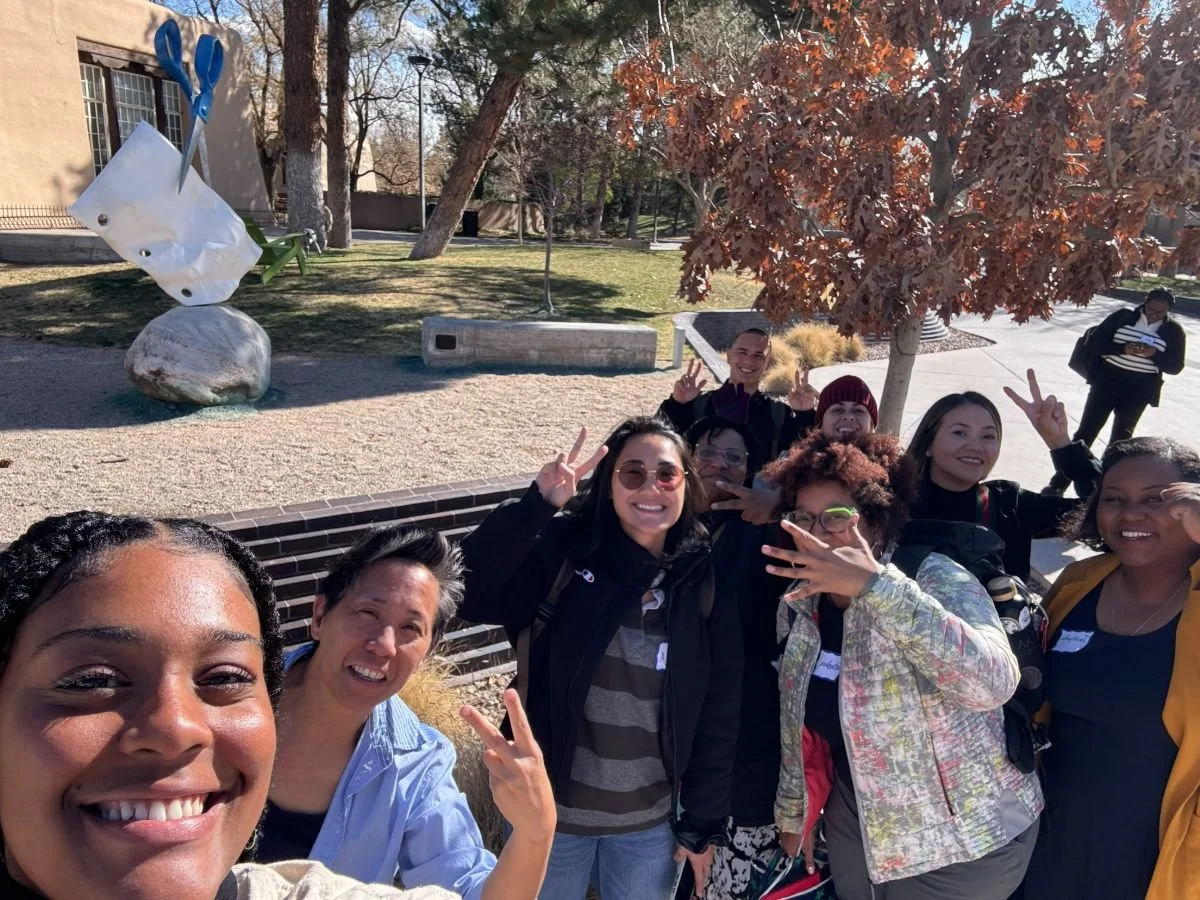
Through Navigating Home, I work directly with fellows as they move through their placements. I help them prepare for opportunities, troubleshoot challenges, and build confidence in spaces that can feel unfamiliar at first. One of the most meaningful parts of my role is supporting students as they prepare for and attend research conferences. For many, it’s their first time presenting their work or traveling for an academic experience. Watching a fellow shift from uncertainty to confidence as they begin to see themselves as contributors in STEM is something I never take for granted.
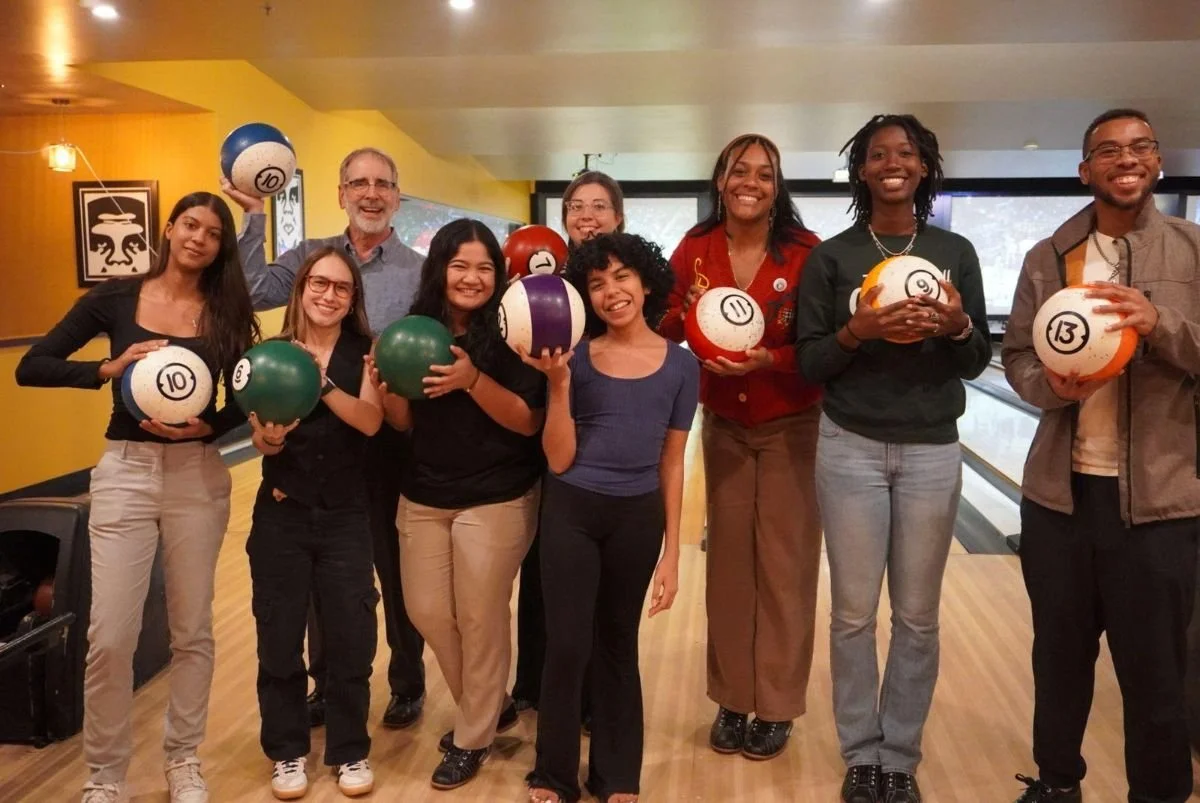
Because I was recently in their position, I approach mentorship with a strong sense of empathy. I remember what it felt like to be unsure about research, graduate school, and career direction. That perspective allows me to create a space where fellows feel comfortable asking questions, exploring possibilities, and being honest about what they don’t yet know. That openness is often where real growth begins.
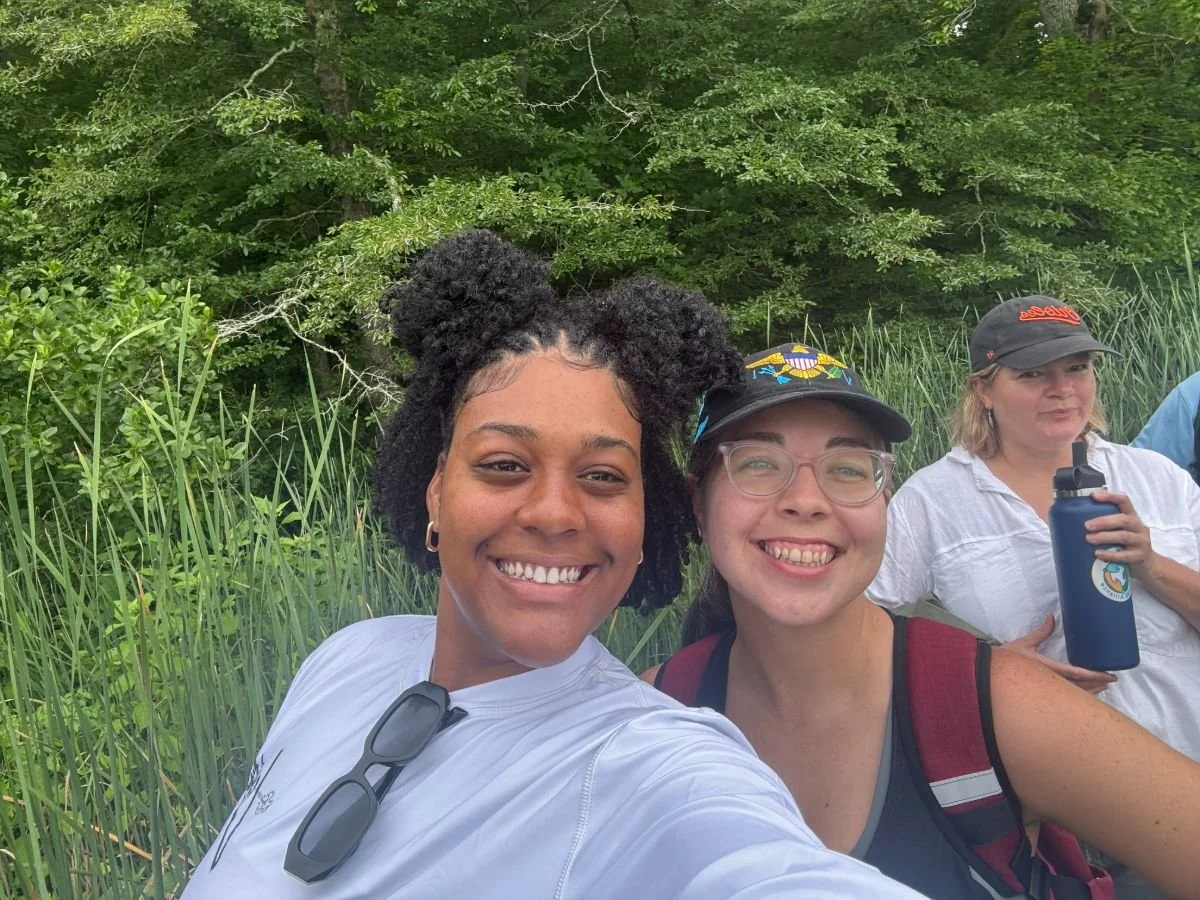
What continues to motivate me is seeing how these programs build pathways over time. Students who are first introduced to marine science through early experiences (learning to swim, snorkel, and engage with their environment) often return years later as undergraduate researchers and mentors. Navigating Home is part of that larger continuum, supporting students at a critical stage where they are beginning to define their futures and consider how they can contribute to their communities.
This work has shaped me as much as it has shaped the students I support. It has deepened my understanding of mentorship, strengthened my leadership skills, and shown me the importance of representation and access in STEM. Most importantly, it has reinforced something I now see clearly: when students are given the opportunity, support, and space to grow, they begin to recognize that there is a place for them in science, and that they can build that future right here at home.